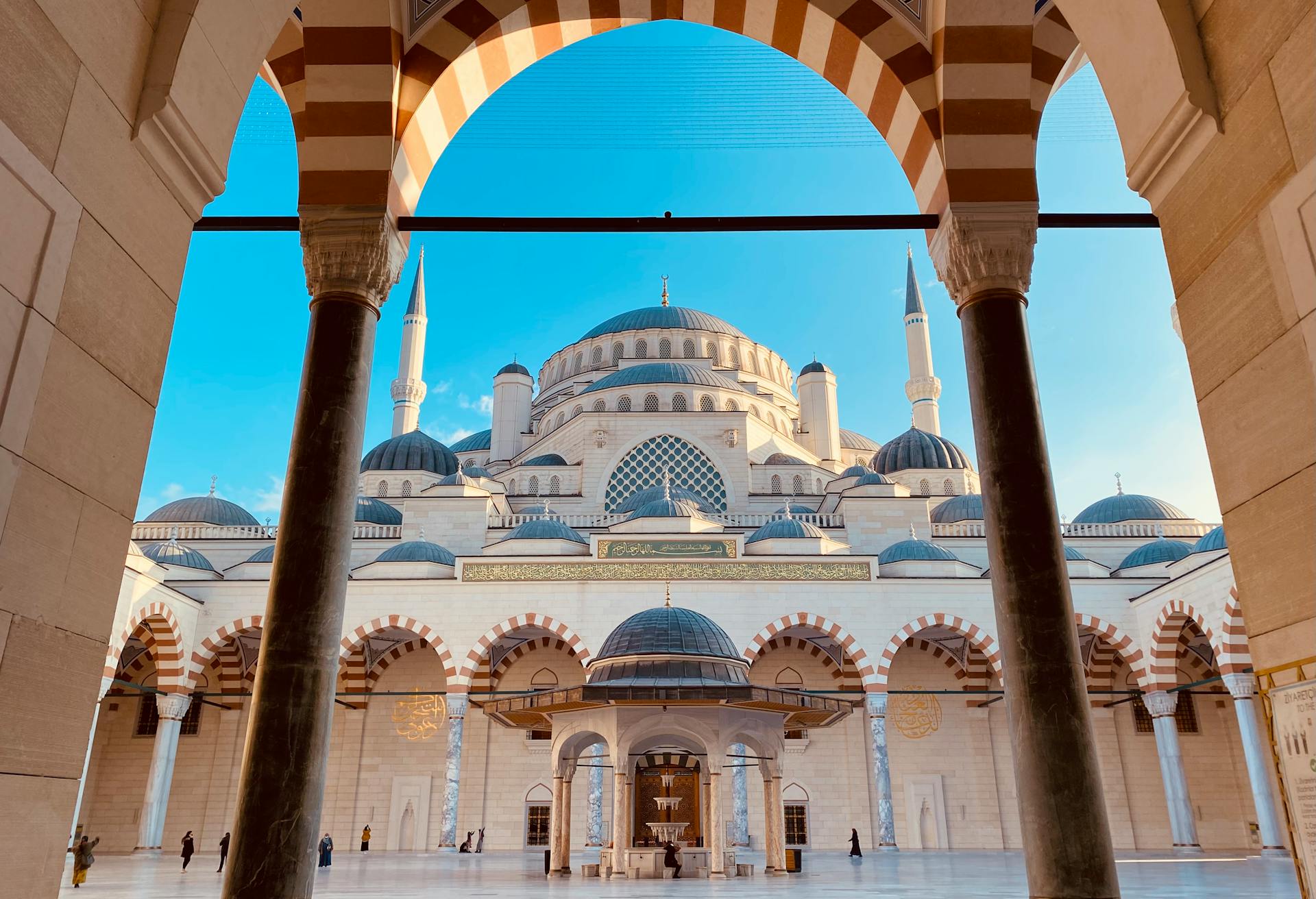
Istanbul is one of the world's most fascinating cities, shaped by centuries of empires, religions and cultures. Once known as Byzantium and later Constantinople, this historic metropolis straddles both Europe and Asia, creating a destination where ancient landmarks sit alongside buzzing neighbourhoods and modern cafés.
Planning a trip to Türkiye and wondering what to do in Istanbul? From awe-inspiring mosques and imperial palaces to legendary bazaars and underground wonders, the city offers an unforgettable mix of history, architecture and everyday life. The most incredible ancient ruins in Türkiye extend far beyond Istanbul's borders, making the country a treasure trove for history enthusiasts. Whether it is your first visit or a return journey, these must-see sights deserve a place on your itinerary.
Fun Trivia About Istanbul
Hagia Sophia: A Monument of Civilisations
No visit to Istanbul is complete without stepping inside Hagia Sophia, one of the most significant religious and architectural structures in the world. Originally built in the 6th century under Byzantine Emperor Justinian I, it stood as the largest cathedral on earth for nearly a thousand years.
Today, Hagia Sophia functions as a mosque, yet its layered history remains visible throughout the interior. Visitors are greeted by vast domes, marble columns and mosaics that reflect both Christian and Islamic influences. The famous mosaic of the Virgin Mary and Child sits alongside grand Arabic calligraphy, creating a powerful visual reminder of the city's complex past.
Visiting hours and access rules can change, so travellers are encouraged to check official government and tourism sources before arrival. Modest dress is required, and respectful behaviour is expected within this active place of worship.
"Standing beneath the dome felt surreal. You could sense centuries of history all at once." – Daniel R., 2023
The Blue Mosque: Ottoman Grandeur in Sultanahmet
Facing Hagia Sophia across Sultanahmet Square, the Blue Mosque, also known as Sultan Ahmed Mosque, is one of Istanbul's most iconic landmarks. Built in the early 17th century, it remains an active mosque and a centrepiece of the historic district.
The mosque is famous for its six minarets and its interior decorated with thousands of hand-painted İznik tiles in shades of blue, which give the building its popular nickname. Sunlight filters through stained glass windows, illuminating the expansive prayer hall and creating a serene atmosphere.
Visitors are welcome outside prayer times, though modest clothing is required and head coverings are provided if needed. Allow time to explore the surrounding courtyard and nearby square, which once served as the Hippodrome of Constantinople.
Galata Tower: Views Over Old and New Istanbul
Rising above the neighbourhoods north of the Golden Horn, Galata Tower offers some of the best panoramic views in the city. Originally constructed in the 14th century, the tower has served various purposes throughout history, from watchtower to prison.
Today, visitors can take a lift most of the way up, followed by a short climb to the viewing balcony. From here, sweeping views stretch across the Bosphorus, the historic peninsula and the modern districts beyond. For food lovers, the area around Galata Tower offers some of the delightful dishes to savour in Turkey, from traditional kebabs to modern Turkish fusion cuisine.
Galata itself is worth exploring after your visit. The surrounding streets are lined with cafés, boutiques and galleries, making it a popular stop for travellers wanting to experience a more contemporary side of Istanbul.
Basilica Cistern: Istanbul Beneath the Streets
Hidden beneath the city's streets lies the Basilica Cistern, a vast underground water reservoir built during the Byzantine era. Supported by hundreds of marble columns, the cistern once supplied water to imperial palaces and nearby buildings.
Today, visitors walk along raised platforms through softly lit corridors, creating a moody and atmospheric experience. Among the most famous features are the Medusa head column bases, whose origins and purpose remain a mystery.
The Basilica Cistern is one of Istanbul's most unique attractions and offers a quieter, cooler escape from the bustling streets above.
The Grand Bazaar: A Living Marketplace
With more than 4,000 shops spread across covered lanes, the Grand Bazaar is not just a shopping destination but a cultural experience. Operating since the 15th century, it remains one of the largest and oldest markets in the world.
Visitors can browse handmade carpets, ceramics, lanterns, jewellery, spices and textiles, while also stopping to sample traditional Turkish snacks and tea. Bargaining is expected in many stalls and is often part of the fun. The best street markets in Türkiye showcase the country's rich trading heritage across different cities and regions.
Take your time exploring the different sections of the bazaar, as each area specialises in certain goods. Even travellers not planning to shop will enjoy the lively atmosphere and sense of history.
"I loved wandering without a plan. Every turn felt like a new discovery." – Sarah L., 2022
Topkapi Palace: Inside the Ottoman Court
Topkapi Palace once served as the administrative and residential heart of the Ottoman Empire. Located near the Bosphorus, the complex offers insight into royal life, governance and ceremony over several centuries.
Visitors can explore courtyards, council chambers and the imperial treasury, which houses priceless artefacts and jewels. The Harem section provides a glimpse into the private lives of the sultans and their households.
After touring the palace, Gülhane Park offers a peaceful place to relax among trees and flowerbeds, with views toward the water.
Dolmabahçe Palace: European Elegance by the Bosphorus
Built in the 19th century, Dolmabahçe Palace reflects the Ottoman Empire's shift toward European architectural styles. Influenced by Baroque and Rococo design, the palace is lavishly decorated with crystal chandeliers, ornate ceilings and gilded details.
Located directly on the Bosphorus, the palace also holds national significance as the residence of Mustafa Kemal Atatürk during his final years. The ceremonial halls and waterfront gardens make Dolmabahçe one of Istanbul's most visually impressive sites. Those planning to explore more of the region will find unique activities to try in Türkiye beyond the capital's historic attractions.
Expert Travel Tips for Visiting Istanbul
- Visit major landmarks early in the morning to avoid crowds, particularly during peak travel season
- Dress modestly when entering mosques, even those popular with tourists
- Use Istanbul's public transport system, including trams and ferries, to move efficiently between neighbourhoods
- Carry cash for markets and small eateries, as not all vendors accept cards
- Check travel advice through the Australian Government's Smart Traveller website before departure
References
Information sourced from official tourism authorities
UNESCO World Heritage listings
Australian Government travel advisories including Smart Traveller
Picture yourself watching the sunset over the Bosphorus, the call to prayer echoing across ancient domes and modern skylines. Our Italy travel packages offer similar historic immersion across the Mediterranean.